Before you begin
Put each proposal against the same project brief. A lower total may describe a different amount of work.
Give every company the same starting point
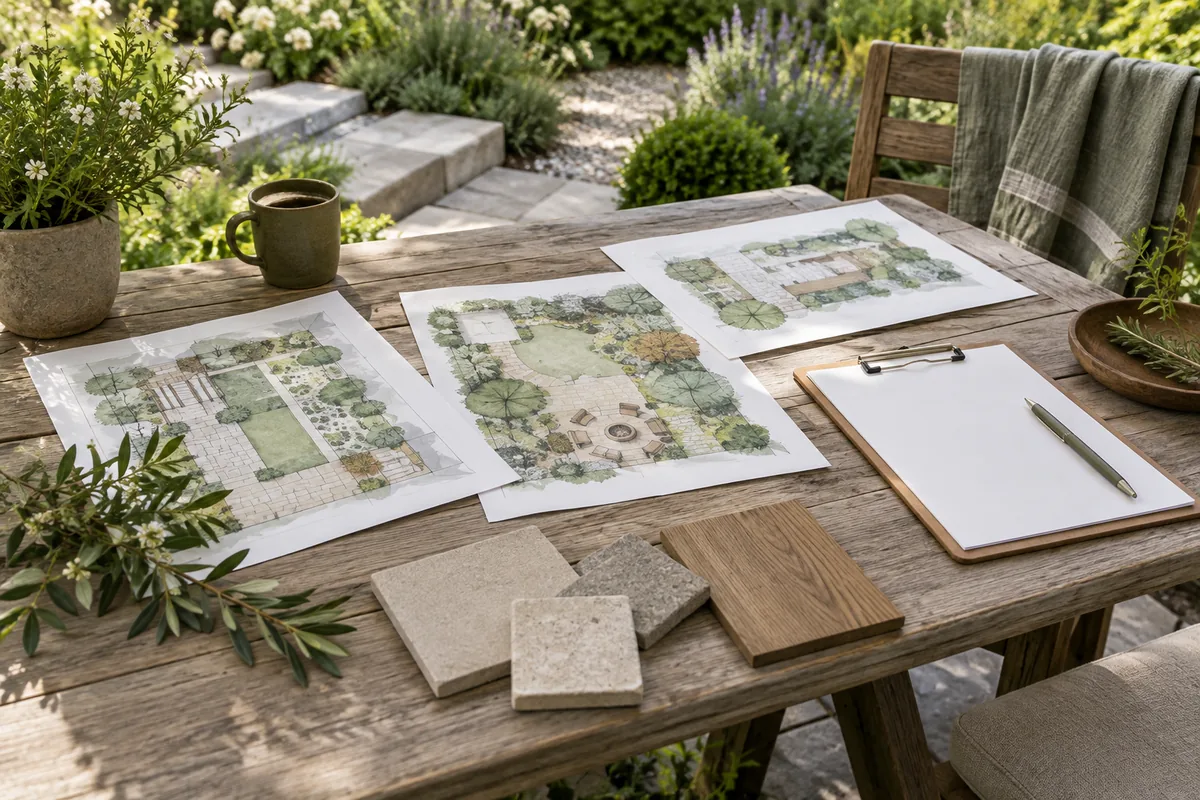
Send each contractor the same photographs, measurements if you have them, and list of priorities. Explain whether you want a complete installation or a plan you can build in stages. If the brief changes after a site visit, tell the other companies before comparing their numbers.
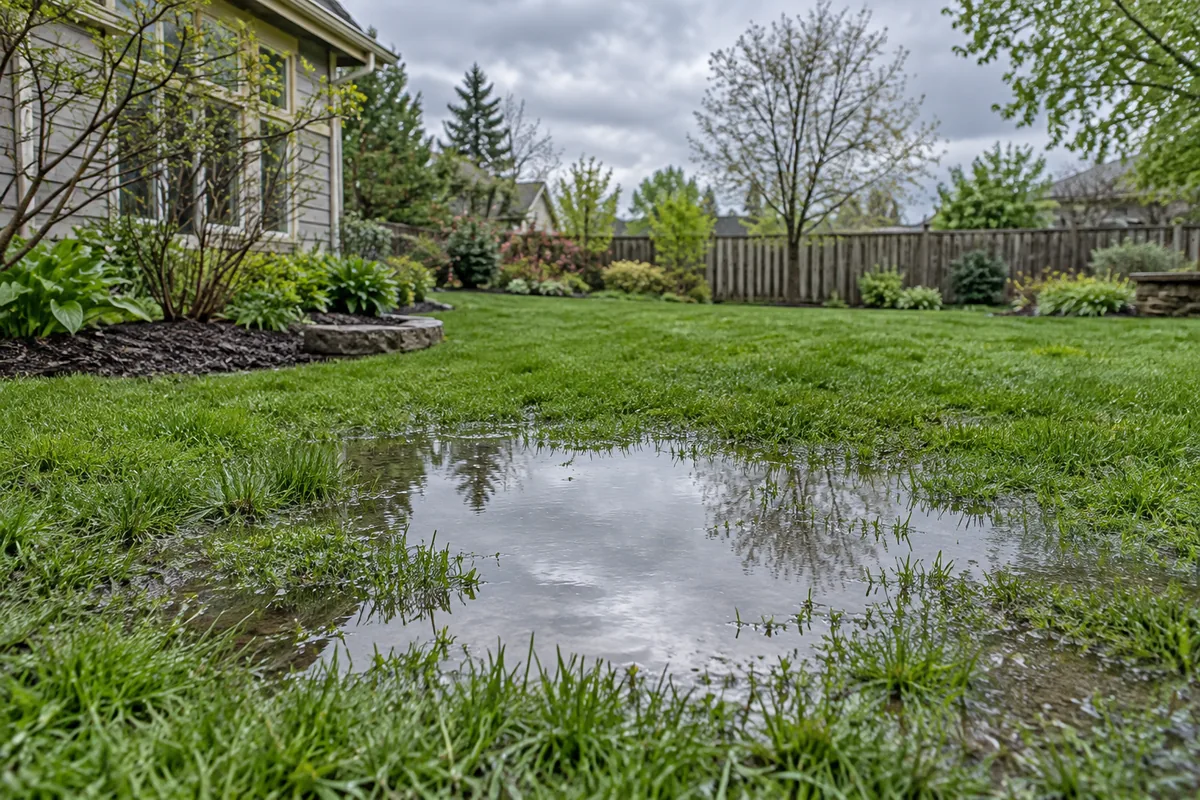
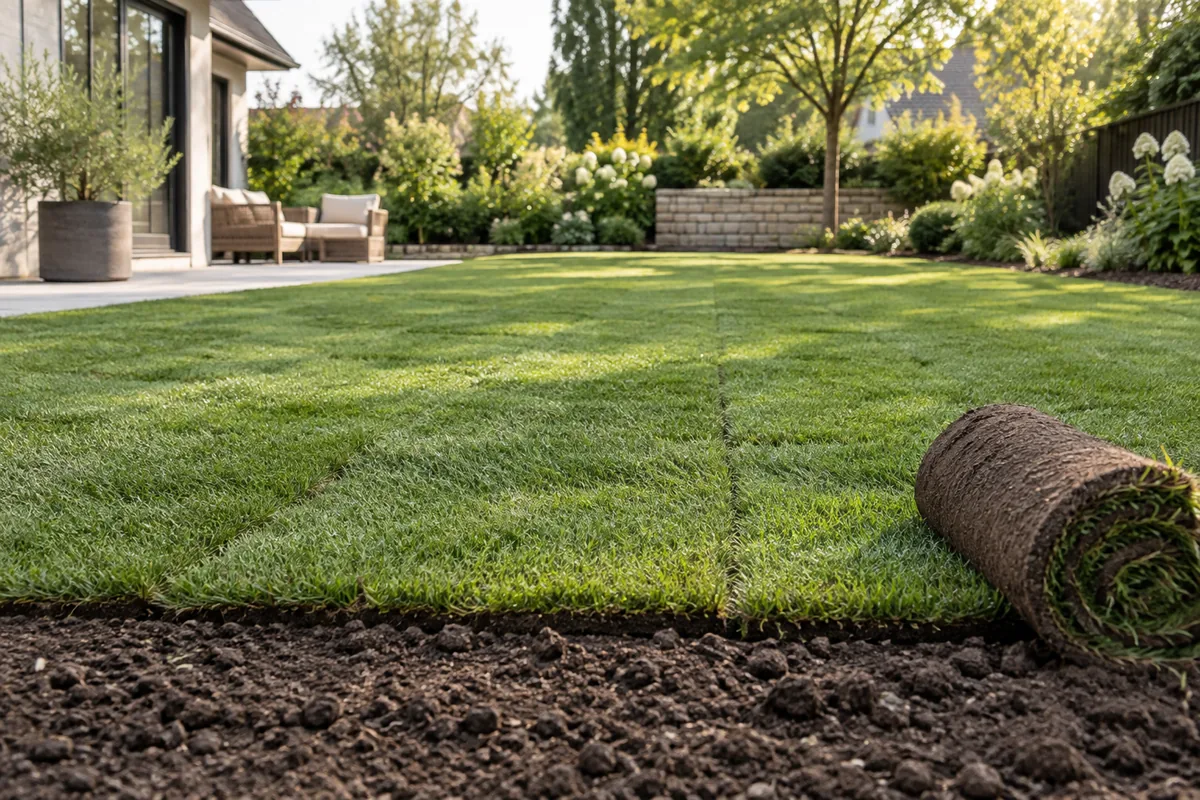
For example, one lawn quote might cover laying sod while another includes removing the old lawn, preparing the ground, and returning for an establishment check. Those proposals answer different requests. Ask for clarification before deciding which is better value.
Build a side-by-side scope sheet
Mark each line “included,” “excluded,” or “unclear.” Send the unclear items back as questions. This is more informative than giving every proposal a single score.
| Compare | What to ask |
|---|---|
| Site preparation | What removal, access, soil preparation, and disposal are included? |
| Materials | Which products, quantities, plant sizes, and substitutions are specified? |
| Installation | What work is included, and who carries it out? |
| Restoration | Who repairs disturbed lawn, beds, or access areas? |
| Aftercare | What must I do after handover, and what follow-up is included? |
| Changes | How are additional work and price changes approved? |
Separate fixed choices from unresolved decisions
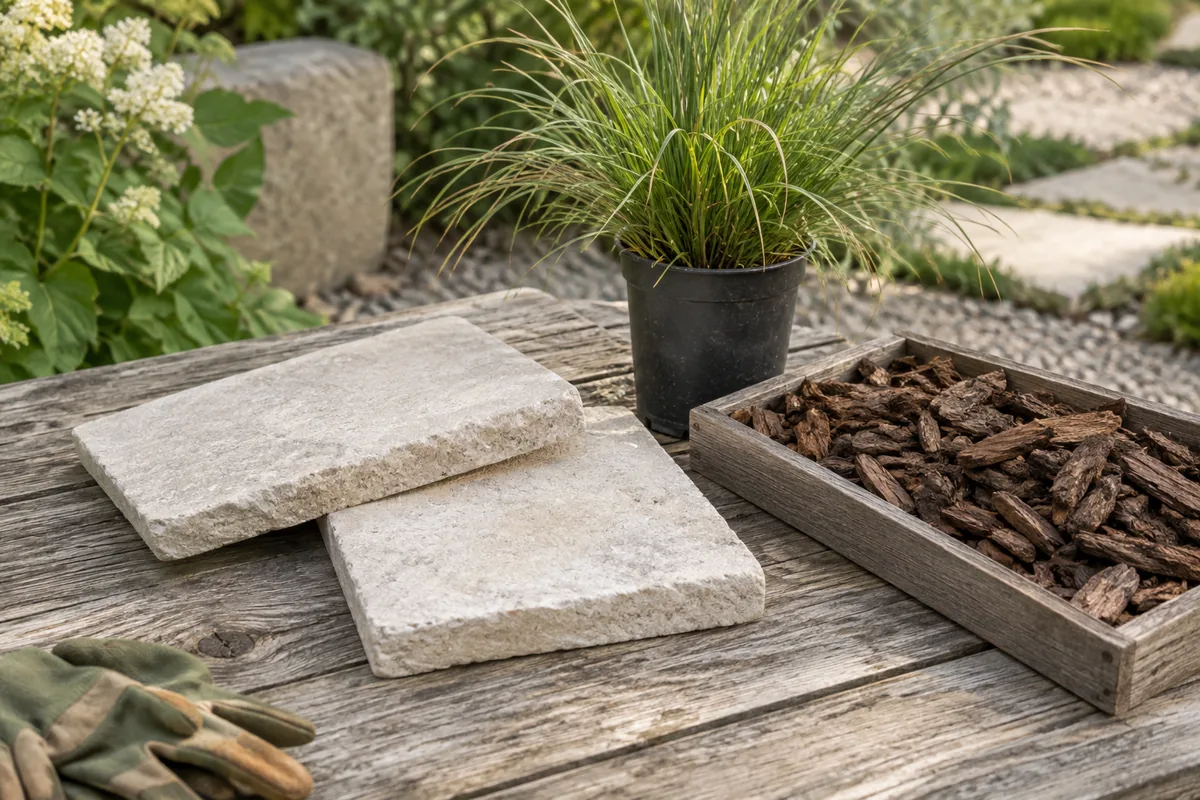
Ask the contractor to identify allowances, optional upgrades, and assumptions. If a plant selection or patio material has not been chosen, ask what the quoted amount covers and what happens when your selection costs more.
Keep a decision list alongside the quote. It might include a material choice, where equipment enters, who moves furniture, or whether an irrigation adjustment is needed. Resolving these items early helps you understand what you are agreeing to.
Agree on the process as well as the work
The FTC advises obtaining written estimates that describe the work, materials, expected completion, and price. It also recommends asking why estimates differ rather than automatically selecting the lowest one.
- Confirm the payment schedule and what each stage represents.
- Record how weather or material availability affects the schedule.
- Ask who approves substitutions and additional work.
- Agree on a walkthrough and a written list of unfinished items.
Further reading: FTC: Written estimates and contractor agreements
Keep the final proposal, correspondence, and any agreed changes together. The goal is a shared understanding of the project, with fewer decisions left to guesswork.
Sources & editorial notes
Prepared by Yard Atlas, a 3 Dots Studio publication. These guides help you plan a conversation; advice should be adapted to your location and property.
Last reviewed Sep 27, 2026.