Before you begin
Describe the water problem first. The right solution depends on the site and where water can safely go.
Make a simple record after rainfall
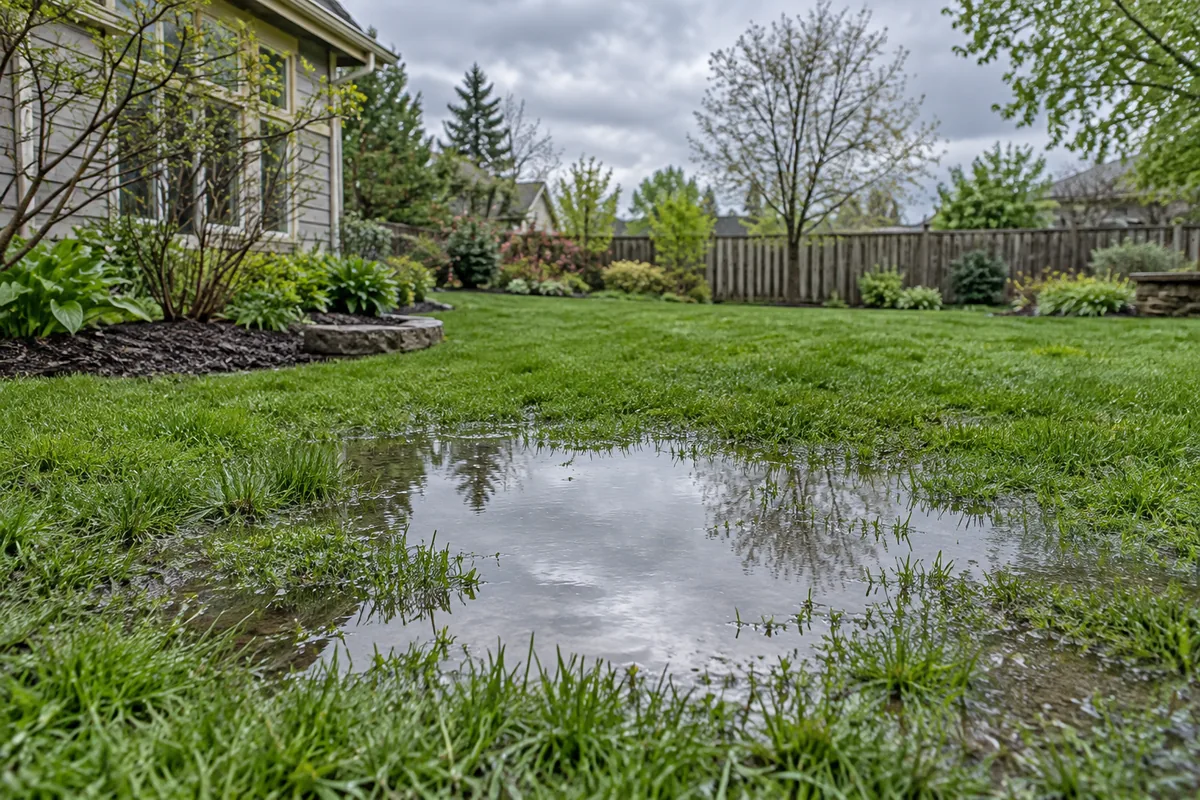
Start with observations you can collect from a safe, dry location. Photograph the same areas during and after ordinary rain. Note whether the issue starts near a roof outlet, a paved surface, a low spot, or the edge of the property. Record how long the area stays wet and whether the pattern changes between storms.
These notes give a contractor a much better starting point than a dry-weather photograph alone. Do not dig exploratory trenches or redirect water simply to test an idea. Water near a building, unstable ground, or electrical equipment deserves prompt assessment by a qualified professional.
- Where does the water appear to enter the area?
- Where does it stop or collect?
- Does it affect access, planting, the lawn, or the building?
- What changes to the property happened before the problem appeared?
Ask for an assessment before selecting a product
A drain, a change to surface grading, and a planted stormwater feature solve different site problems. Ask the contractor to explain the observed cause and show where the proposed system would move or hold water. The explanation should address your property rather than simply name a product.
Ask about maintenance access, debris, what happens during heavier rain, and what parts of the lawn or planting will be disturbed. Where an outlet or grading change is proposed, have the contractor establish the relevant local requirements and property constraints.
Could a rain garden be part of the plan?
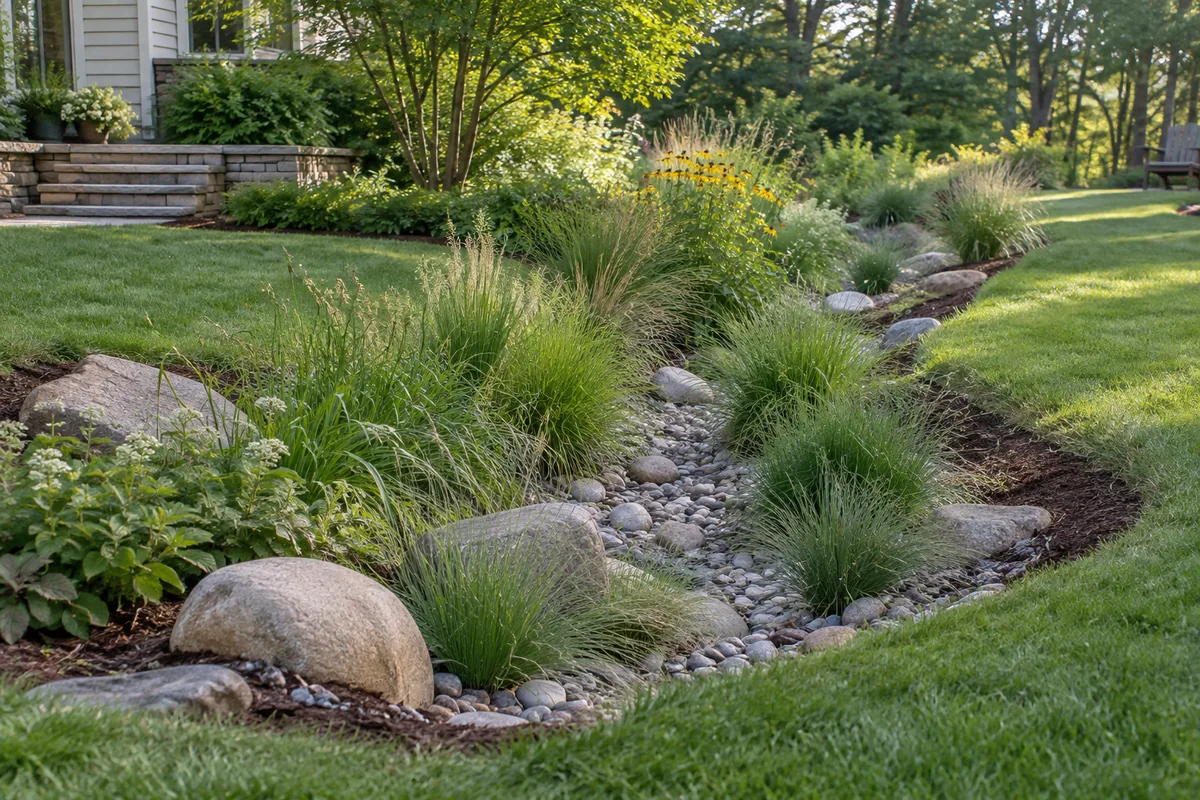
EPA describes a rain garden as a planted depression that collects runoff and allows it to soak into the ground. Whether it fits your property depends on factors such as soil, location, and the water being collected. It is not automatically the answer to every persistently wet spot. Use local guidance and a site assessment before choosing its location or size.
Further reading: EPA: Soak Up the Rain — Rain Gardens
Ask for a clear plan for installation and aftercare
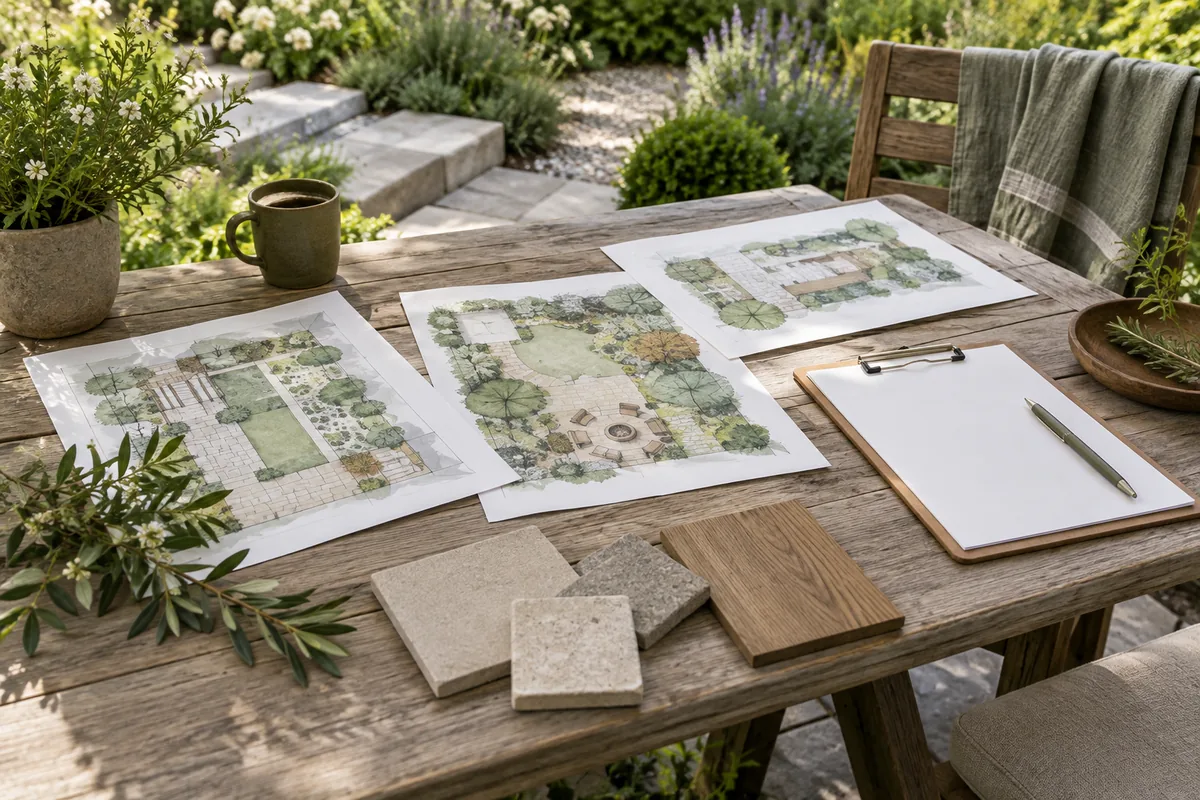
Request a sketch that connects the proposal to the areas in your photographs. Keep the before-and-after record for future maintenance. If several companies suggest different approaches, ask each to explain its reasoning and limitations rather than comparing only the price.
- What problem does each part of the proposal address?
- Where will water enter, travel, and discharge or infiltrate?
- What assumptions about the site still need checking?
- What needs inspecting or cleaning after installation?
- Who restores disturbed surfaces and checks that the system works?
Search for drainage services by their specific scope, then ask a company to assess the conditions at your property.
Sources & editorial notes
Prepared by Yard Atlas, a 3 Dots Studio publication. These guides help you plan a conversation; advice should be adapted to your location and property.
Last reviewed Sep 27, 2026.