Understand the work
What to know about drip irrigation installation
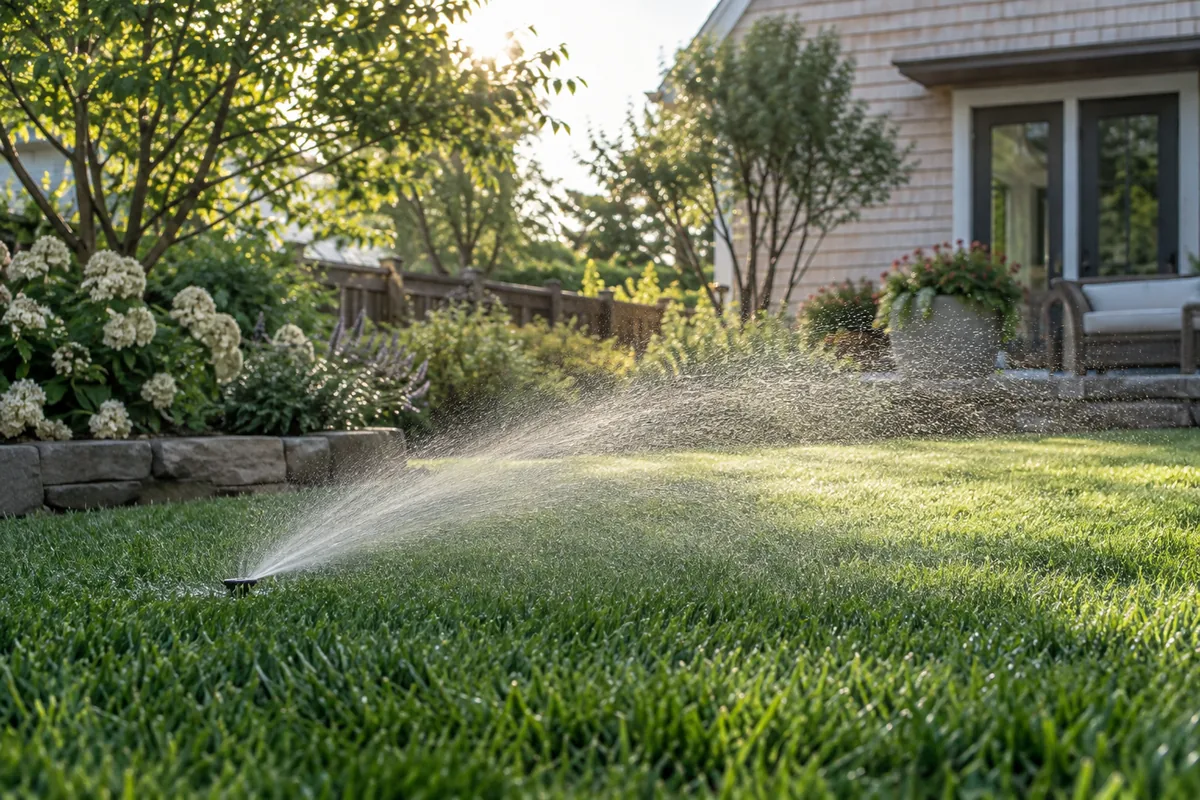
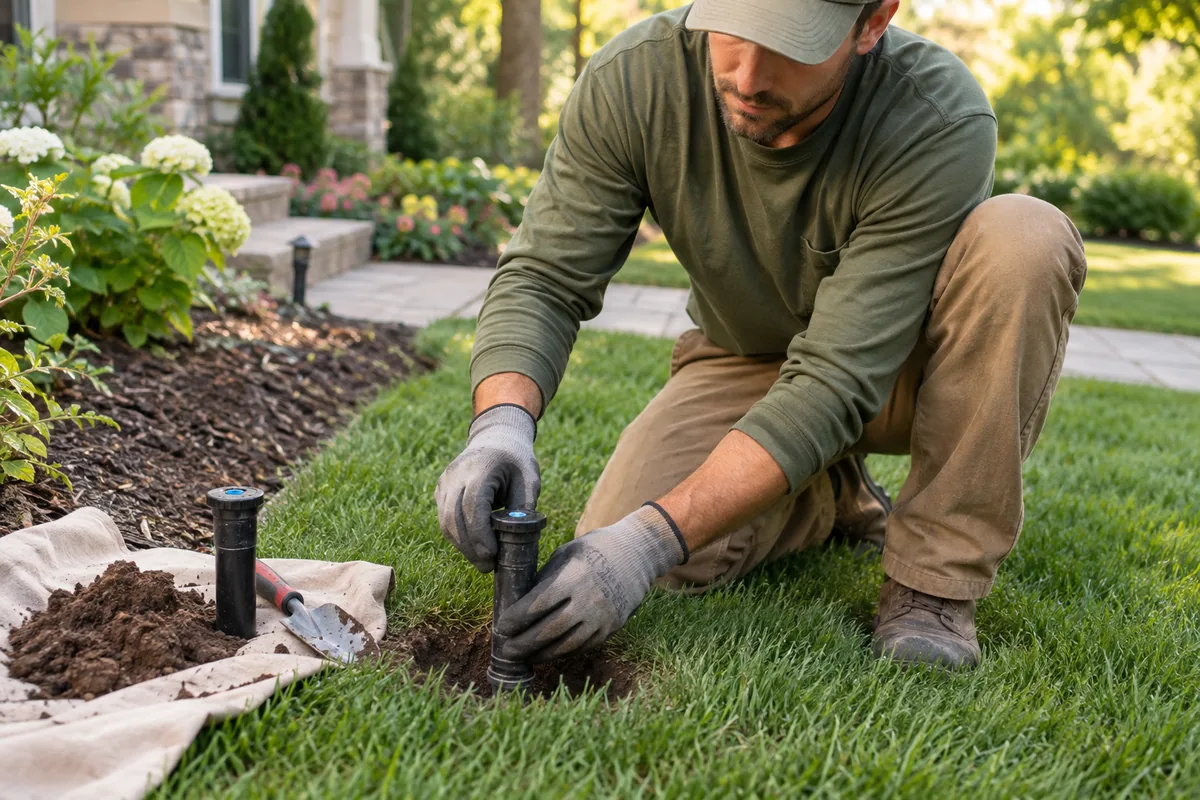
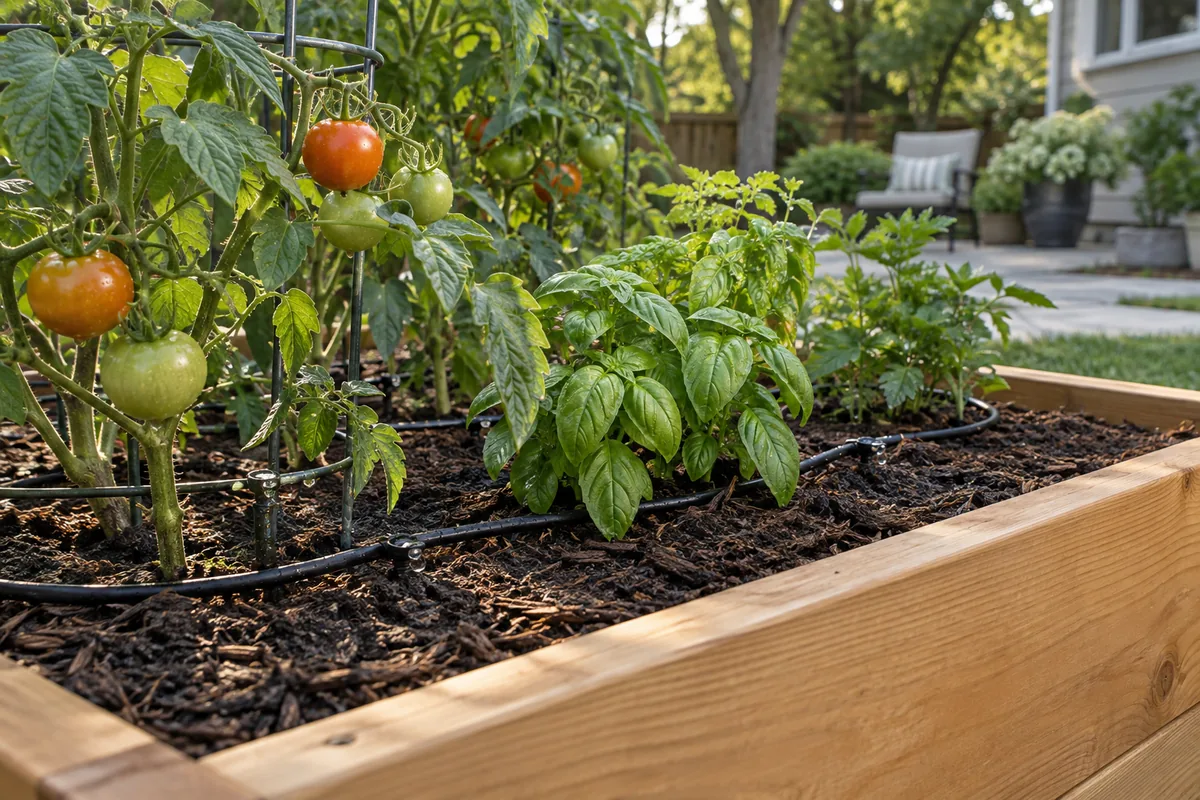
Drip irrigation delivers water near planting areas through tubing and emitters. A useful layout reflects plant spacing and the way beds may grow or change. Discuss the controls and ongoing access to tubing as well as the initial installation.
Start with your property.
Review plant types, container beds, water supply, and future planting plans. Ask how the system will be protected during routine garden work.
Take a few photos and write down your priorities before speaking with a company. Explain what is happening now, what you want to change, and which parts of the yard need to stay as they are.
What to include in the estimate
Ask each provider to price the same work so that the proposals are easier to compare.
- Tubing routes and emitter selection
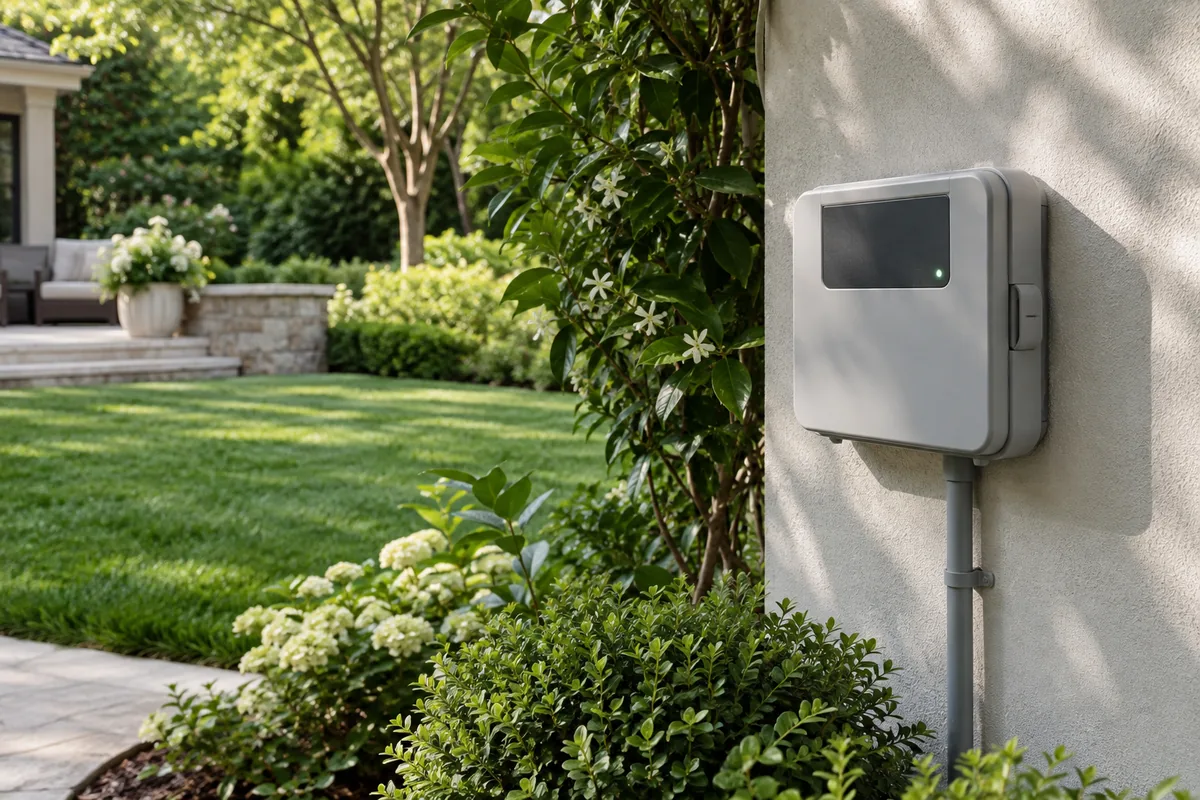
- Connections, filtration, and controls
- Testing and maintenance instructions
Request a written scope, an expected schedule, and an explanation of how additional work is approved. The size of the job, access, existing conditions, materials, and local labor all affect the final quote.
Read our guide to comparing landscaping quotes →Before the company leaves
Ask how to check flow, clean relevant components, and adjust the layout as plants change.
Walk through the completed work together and keep the care instructions, product information, and any written warranty with your project records.
A common question
Can drip irrigation share an existing system?
Ask the installer to assess compatibility and zone design. The connection and watering needs should be reviewed before adding the bed to existing controls.
Planning notes by Yard Atlas Editorial. Images illustrate service ideas and are not photographs of a listed company’s work.