Understand the work
What to know about retaining wall installation
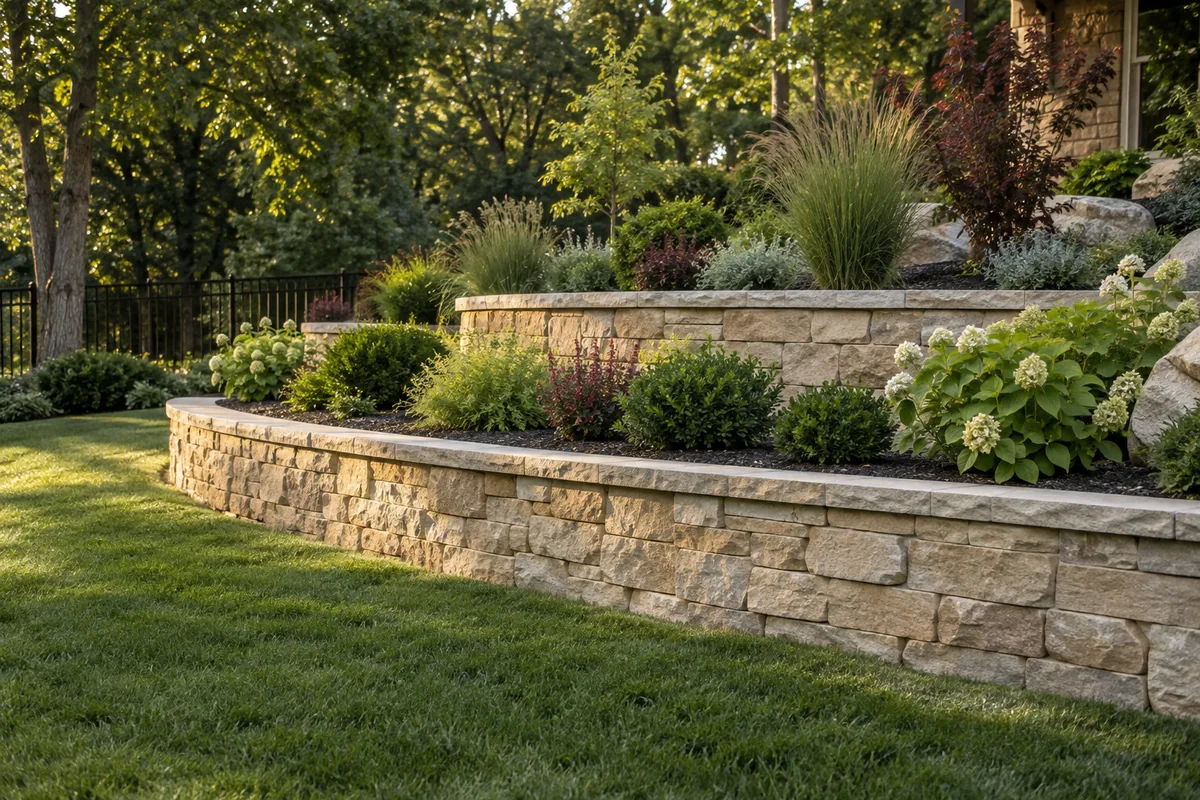
A retaining wall holds a change in ground level and can create usable terraces. Its design depends on the site and loads, not just the desired appearance. Ask the installer to explain when engineering or local review is needed and who coordinates it.
Start with your property.
Discuss slopes, nearby structures, vehicle access, property boundaries, and water behind the wall. Make the intended finished grades clear.
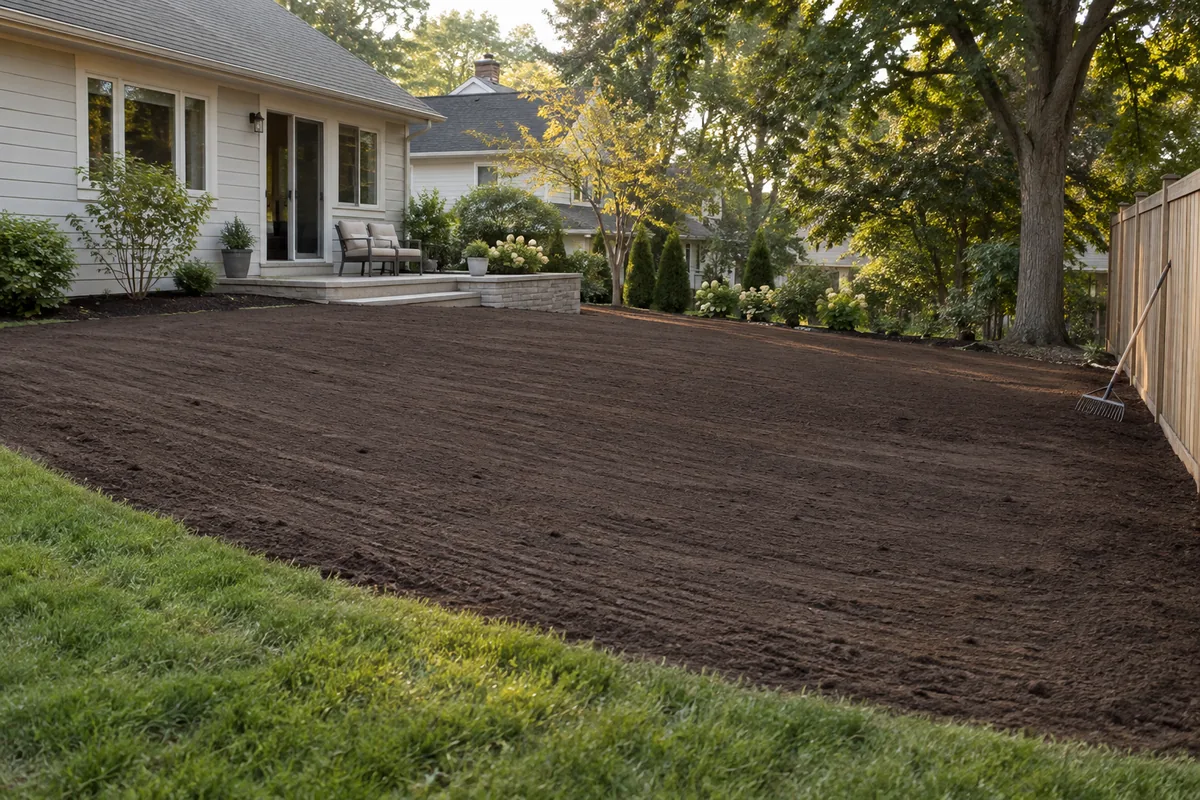
Take a few photos and write down your priorities before speaking with a company. Explain what is happening now, what you want to change, and which parts of the yard need to stay as they are.
What to include in the estimate
Ask each provider to price the same work so that the proposals are easier to compare.
- Wall location, height, and material
- Foundation, drainage, and design responsibilities
- Backfill, soil handling, and surface restoration
Request a written scope, an expected schedule, and an explanation of how additional work is approved. The size of the job, access, existing conditions, materials, and local labor all affect the final quote.
Read our guide to comparing landscaping quotes →Before the company leaves
Keep plans and installation records and ask what movement or drainage changes should be reported.
Walk through the completed work together and keep the care instructions, product information, and any written warranty with your project records.
A common question
Is every garden wall a retaining wall?
No. Clarify whether the wall only defines an edge or holds back soil. The contractor should assess the function before specifying its construction.
Planning notes by Yard Atlas Editorial. Images illustrate service ideas and are not photographs of a listed company’s work.