Understand the work
What to know about lawn mowing
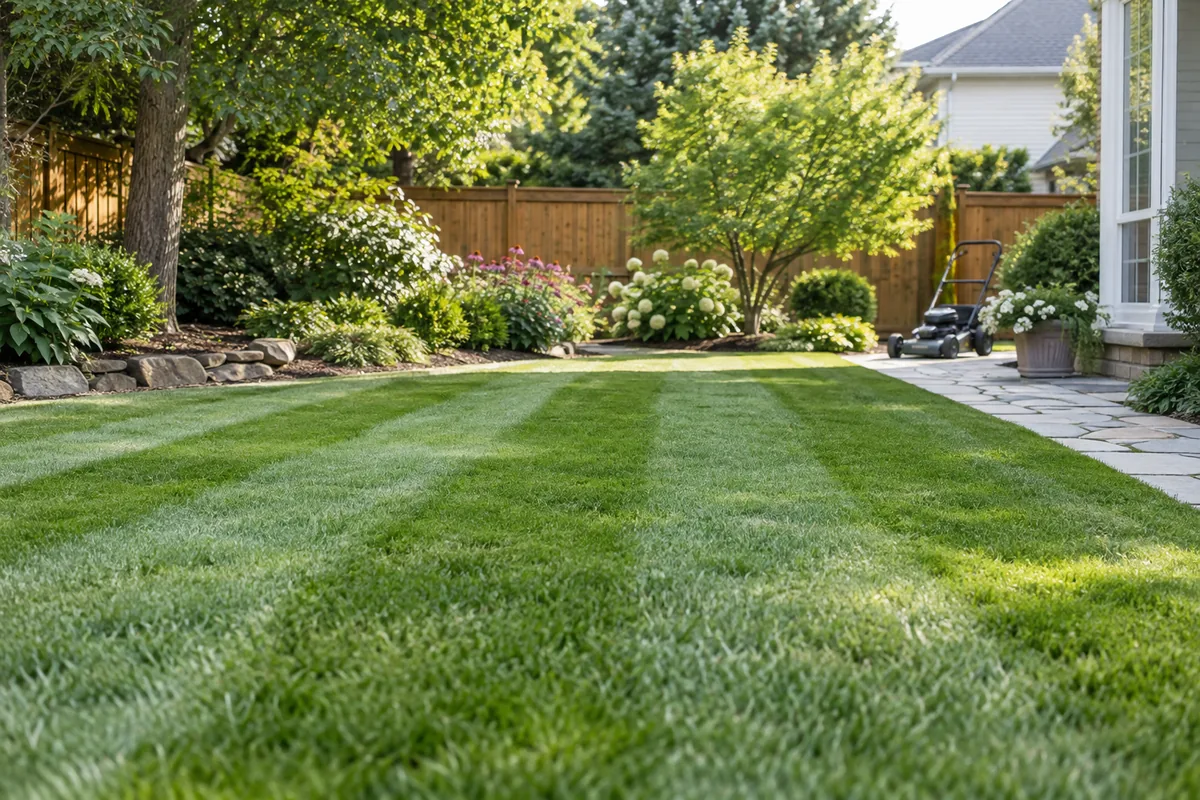
Regular mowing keeps the lawn usable and gives the edges a cared-for finish. A visit may include trimming around obstacles and clearing clippings from paths, but those tasks should be named in the agreement. A recurring service is most useful when the visit schedule can respond to how quickly the grass is growing.
Start with your property.
Show gates, narrow strips, exposed roots, and areas that stay wet. Ask how the crew handles rain delays and avoids damage when the ground is soft.
Take a few photos and write down your priorities before speaking with a company. Explain what is happening now, what you want to change, and which parts of the yard need to stay as they are.
What to include in the estimate
Ask each provider to price the same work so that the proposals are easier to compare.
- Visit frequency and seasonal changes
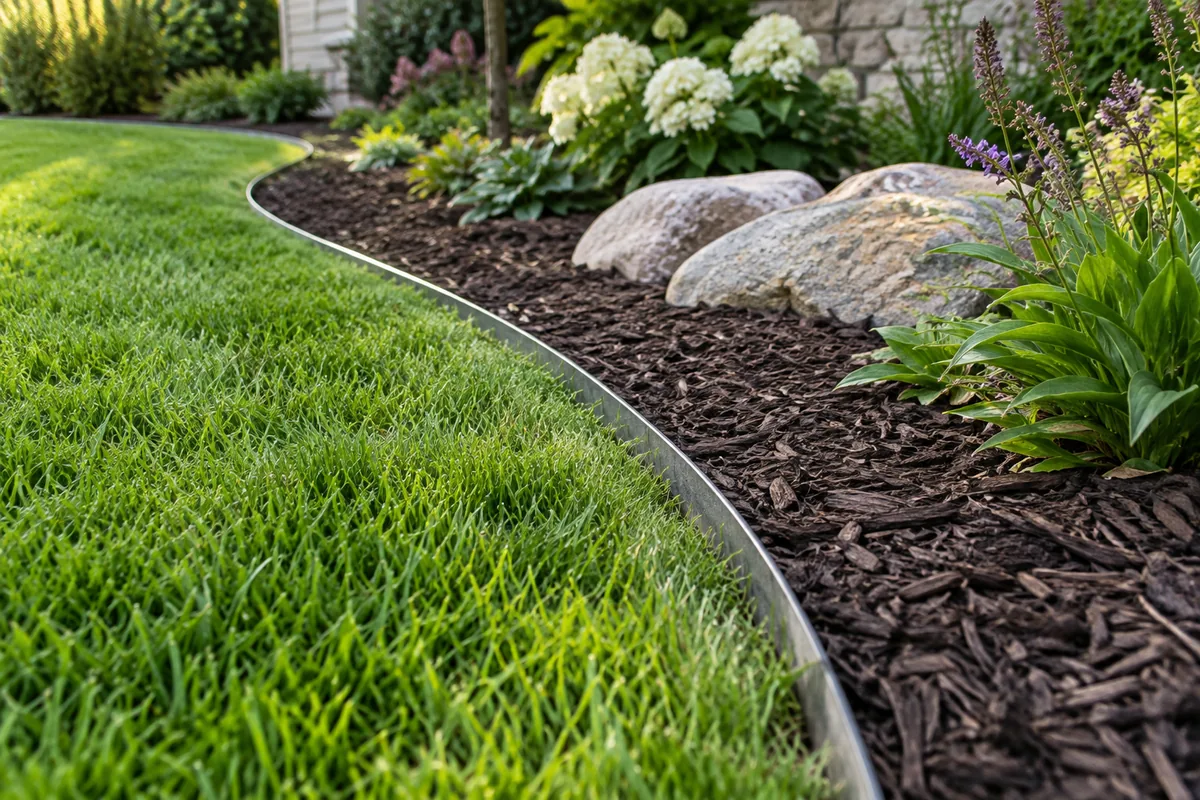
- Trimming and edging boundaries
- Clipping handling and hard-surface cleanup
Request a written scope, an expected schedule, and an explanation of how additional work is approved. The size of the job, access, existing conditions, materials, and local labor all affect the final quote.
Read our guide to comparing landscaping quotes →Before the company leaves
Agree on access, pet arrangements, and how to report missed edges or lawn damage.
Walk through the completed work together and keep the care instructions, product information, and any written warranty with your project records.
A common question
Is mowing the same as full lawn care?
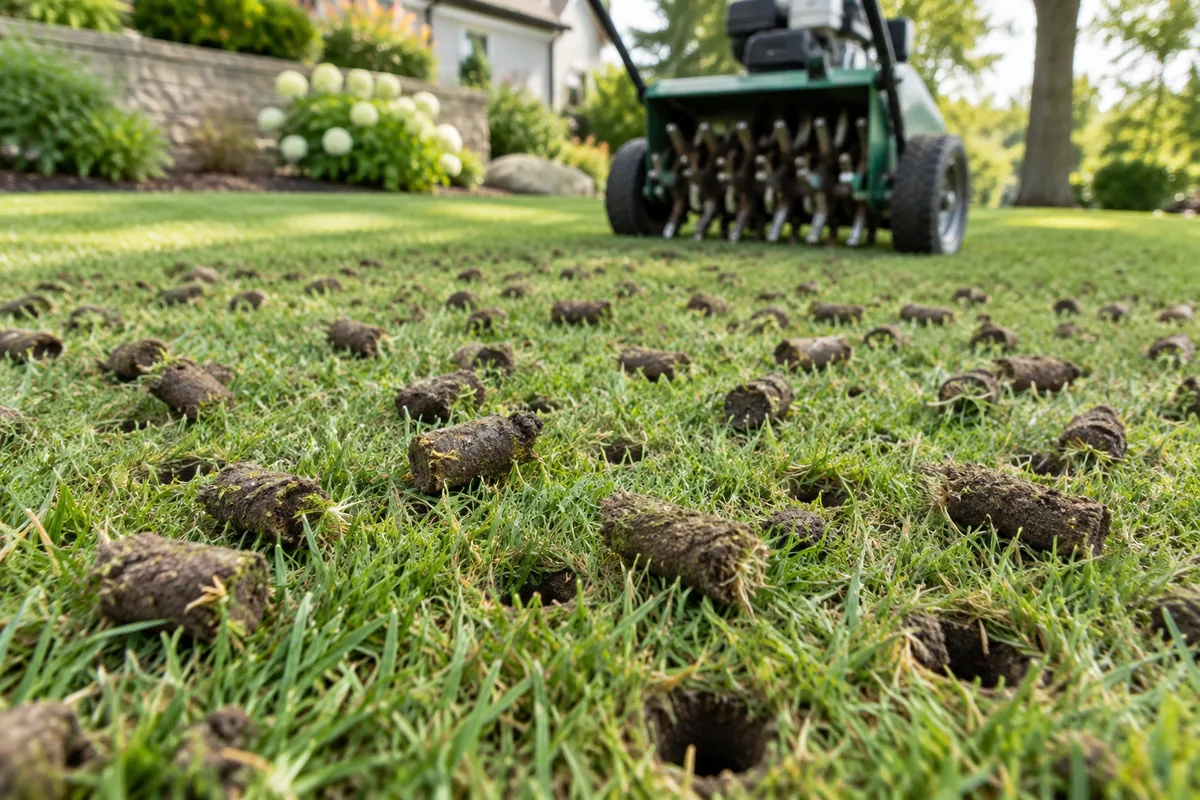
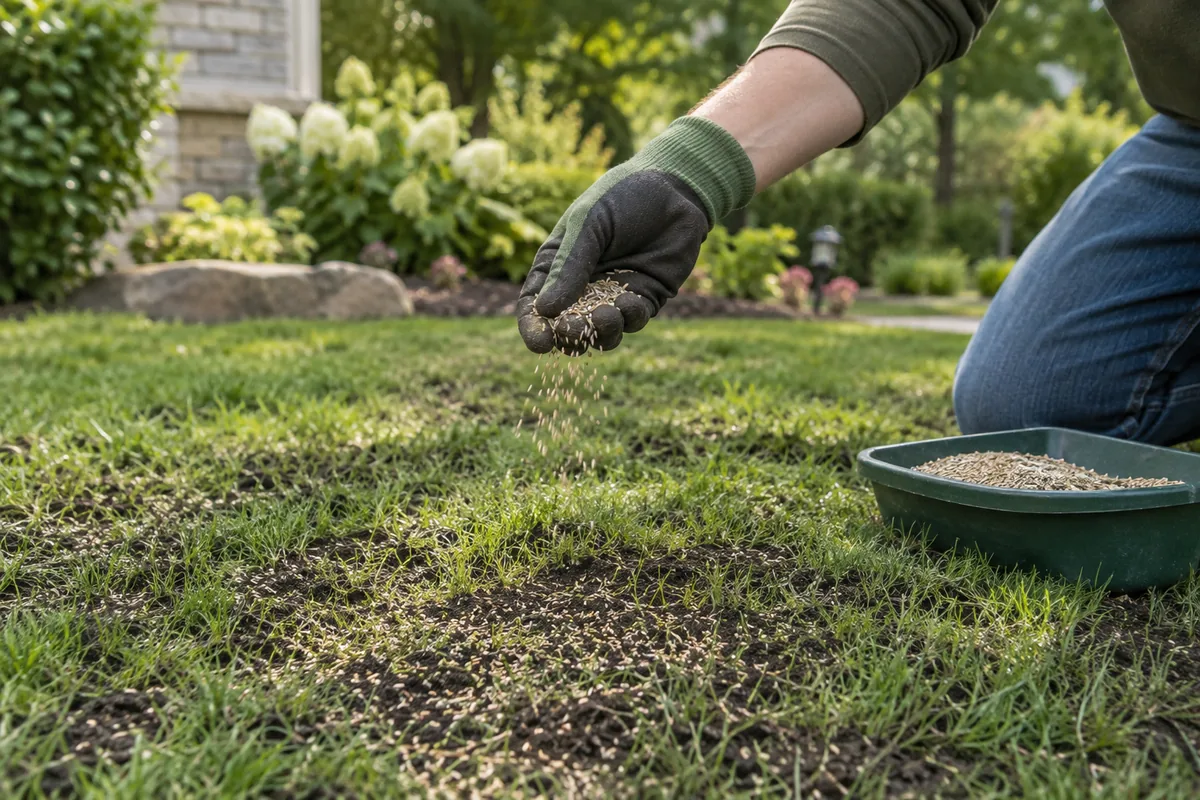
Usually it is a narrower service. Fertilization, weed treatment, aeration, and reseeding should be listed separately if you want them included.
Planning notes by Yard Atlas Editorial. Images illustrate service ideas and are not photographs of a listed company’s work.