Understand the work
What to know about lawn overseeding
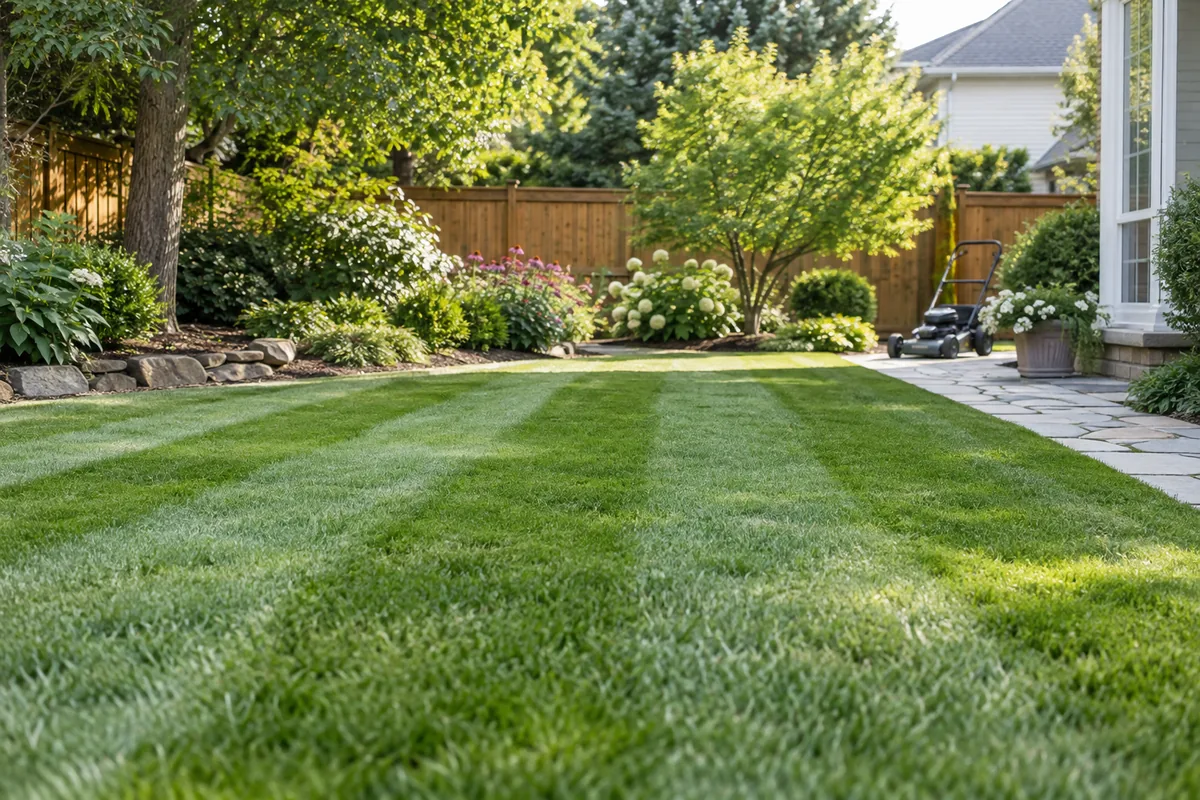
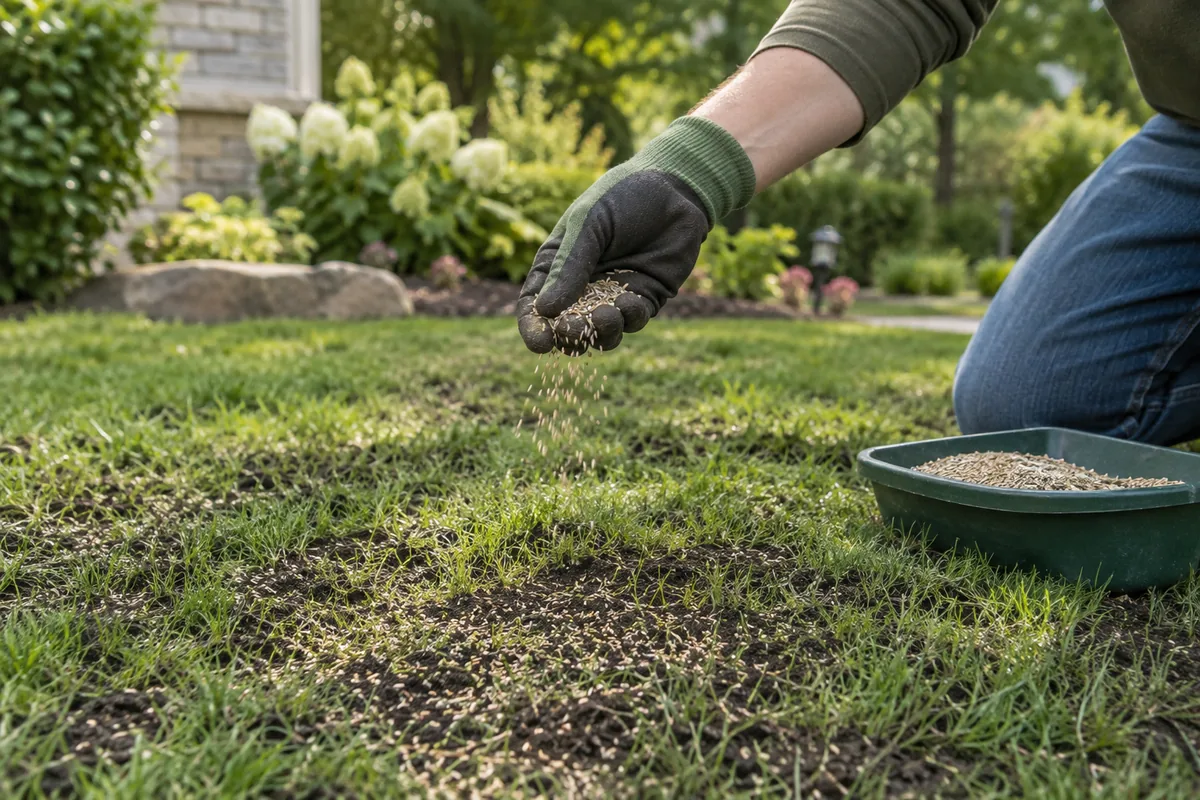
Overseeding adds seed to an existing lawn to improve sparse coverage. It is different from starting over on bare ground. The provider should first consider why the turf is thin, because adding seed alone does not resolve every shade, drainage, or traffic problem.
Start with your property.
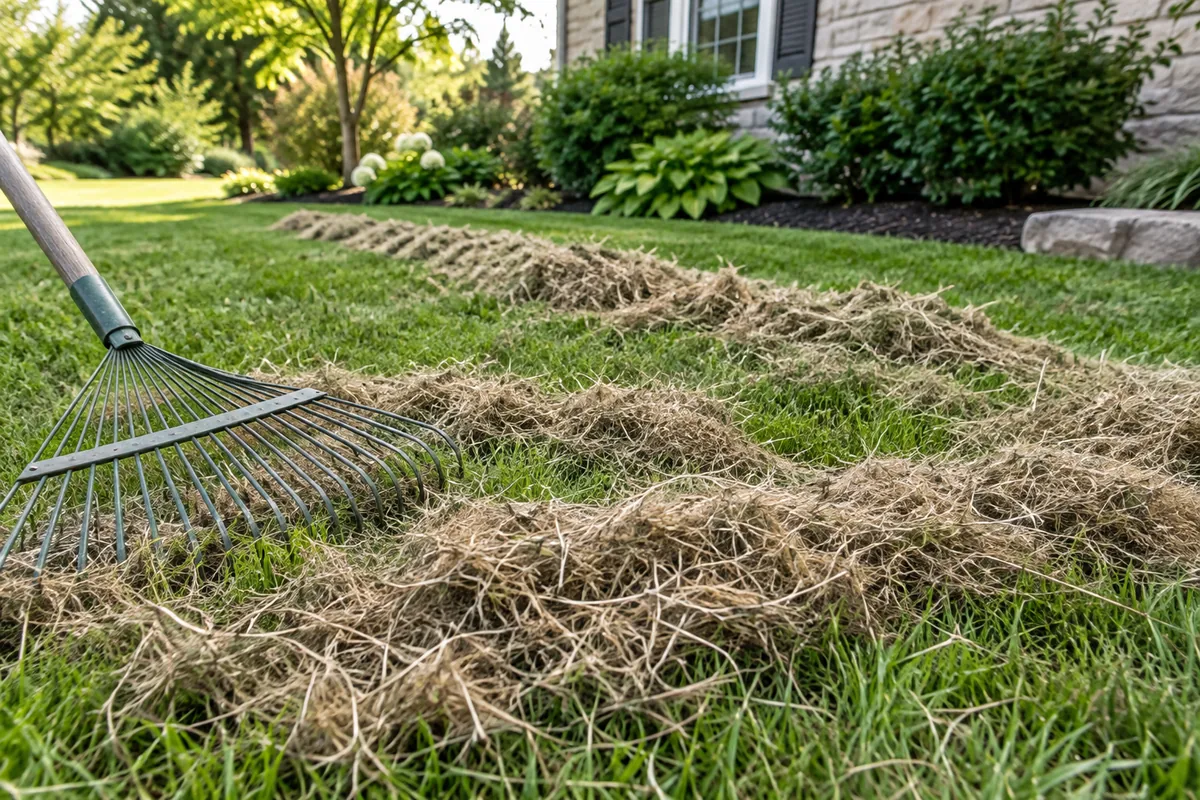
Discuss sun exposure, existing grass, bare patches, and how you will water the new seed. Ask whether surface preparation is necessary.
Take a few photos and write down your priorities before speaking with a company. Explain what is happening now, what you want to change, and which parts of the yard need to stay as they are.
What to include in the estimate
Ask each provider to price the same work so that the proposals are easier to compare.
- Seed blend and treated area
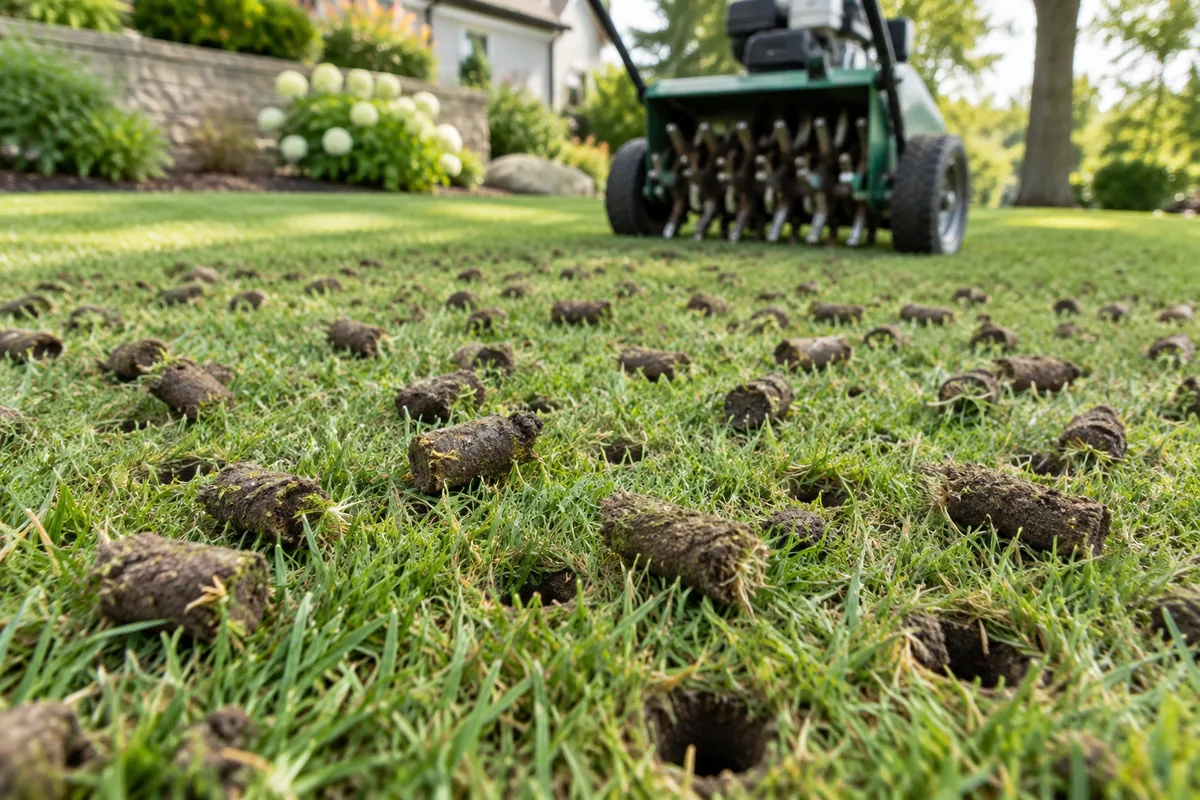
- Preparation and seed application method
- Watering instructions and follow-up expectations
Request a written scope, an expected schedule, and an explanation of how additional work is approved. The size of the job, access, existing conditions, materials, and local labor all affect the final quote.
Read our guide to comparing landscaping quotes →Before the company leaves
Get a written plan for watering, foot traffic, and the first mowing suited to your seed and season.
Walk through the completed work together and keep the care instructions, product information, and any written warranty with your project records.
A common question
Can every thin lawn be overseeded?
Suitability depends on the existing turf and site. Ask whether improving growing conditions or replacing a damaged section would be a better fit.
Planning notes by Yard Atlas Editorial. Images illustrate service ideas and are not photographs of a listed company’s work.