Understand the work
What to know about native plant landscaping
Native planting uses plants appropriate to the local region and site. The design can be formal, naturalistic, or a mix of both. Start with the growing conditions and the look you want, then ask for a plant list that explains the selection.
Start with your property.
Discuss sun, moisture, mature plant size, and seasonal appearance. Tell the designer whether you want pollinator habitat, screening, or a tidier border.
Take a few photos and write down your priorities before speaking with a company. Explain what is happening now, what you want to change, and which parts of the yard need to stay as they are.
What to include in the estimate
Ask each provider to price the same work so that the proposals are easier to compare.
- Species and regional suitability
- Plant quantities, spacing, and preparation
- Establishment and weed-management plan
Request a written scope, an expected schedule, and an explanation of how additional work is approved. The size of the job, access, existing conditions, materials, and local labor all affect the final quote.
Read our guide to comparing landscaping quotes →Before the company leaves
New planting still needs attention while it establishes; agree on watering and weed removal responsibilities.
Walk through the completed work together and keep the care instructions, product information, and any written warranty with your project records.
A common question
Will a native garden look untidy?
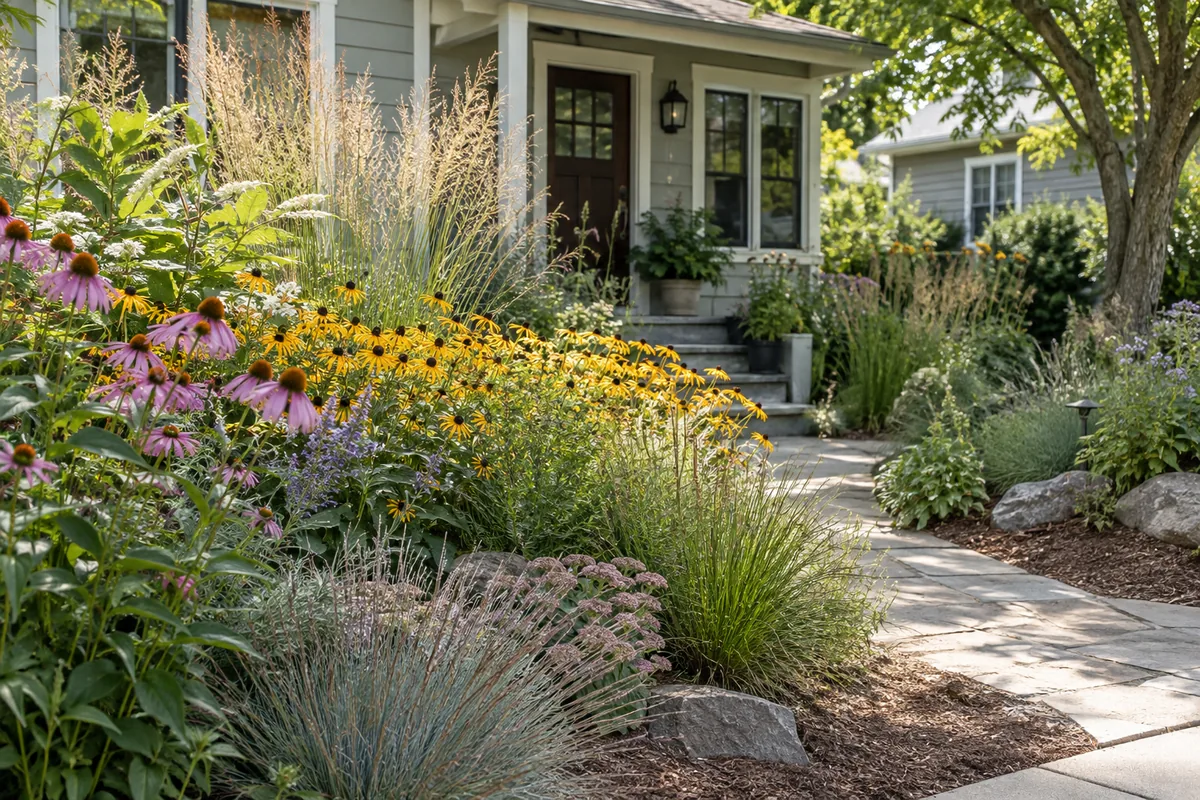
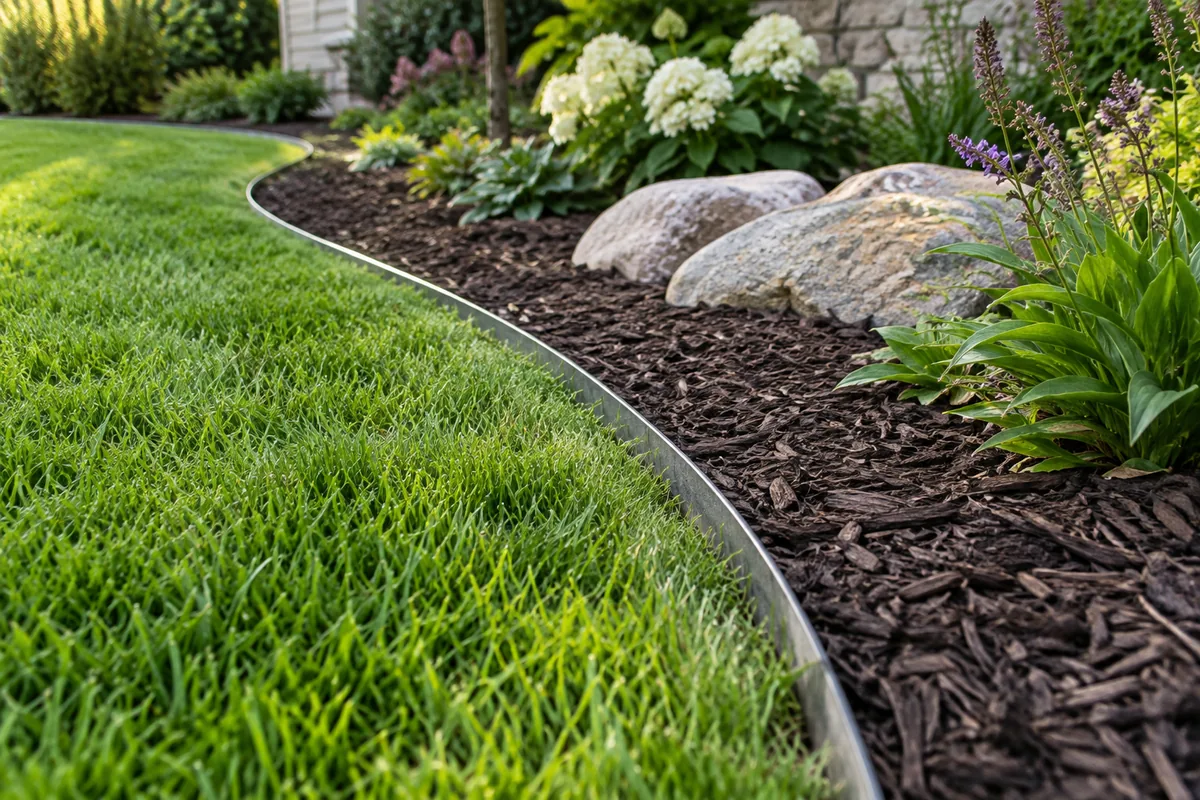
That is a design choice. Defined edges, paths, grouped plants, and a deliberate maintenance plan can create a more structured appearance.
Planning notes by Yard Atlas Editorial. Images illustrate service ideas and are not photographs of a listed company’s work.