Understand the work
What to know about xeriscaping
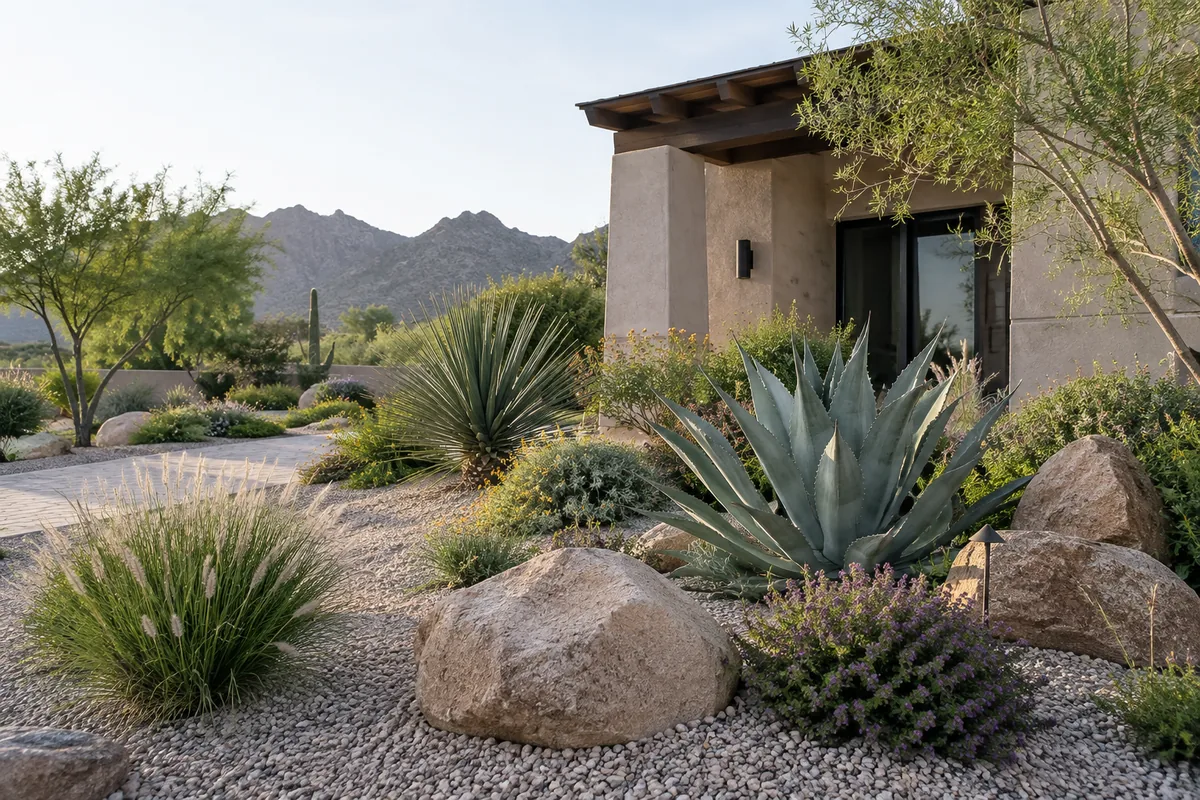
Xeriscaping plans a landscape around efficient water use. It can include varied planting, mulch, and useful outdoor spaces rather than simply covering a yard with gravel. Ask the designer how plant choice and irrigation will work together for your climate.
Start with your property.
Review existing water use, sunny and shaded areas, and the spaces you actually use. Discuss the maintenance and visual character you prefer.
Take a few photos and write down your priorities before speaking with a company. Explain what is happening now, what you want to change, and which parts of the yard need to stay as they are.
What to include in the estimate
Ask each provider to price the same work so that the proposals are easier to compare.
- Removal and layout changes
- Plant palette and soil preparation
- Watering zones and establishment care
Request a written scope, an expected schedule, and an explanation of how additional work is approved. The size of the job, access, existing conditions, materials, and local labor all affect the final quote.
Read our guide to comparing landscaping quotes →Before the company leaves
Ask how irrigation should change as the planting establishes and as seasons change.
Walk through the completed work together and keep the care instructions, product information, and any written warranty with your project records.
A common question
Does xeriscaping mean a rock-only yard?
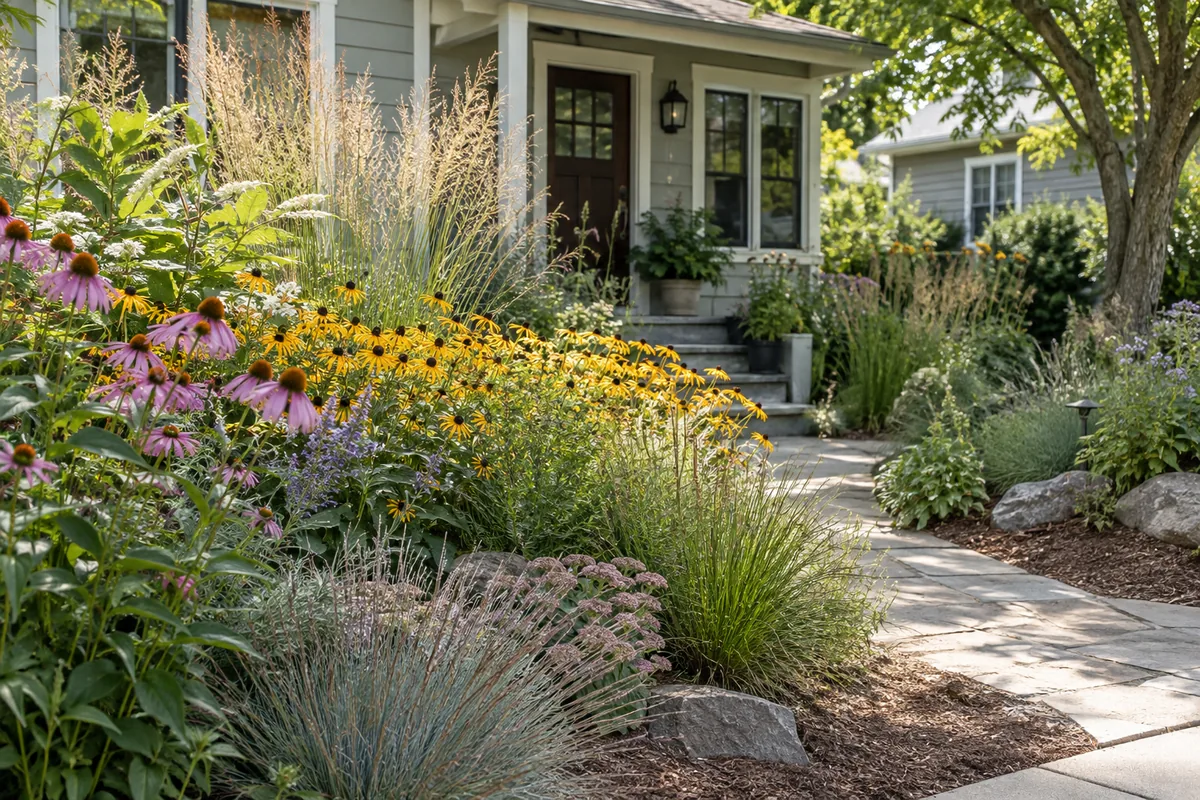
No. The proposal can include trees, shrubs, and planted beds. The key discussion is how the layout and selected plants fit the site’s water needs.
Planning notes by Yard Atlas Editorial. Images illustrate service ideas and are not photographs of a listed company’s work.