Understand the work
What to know about rain garden installation
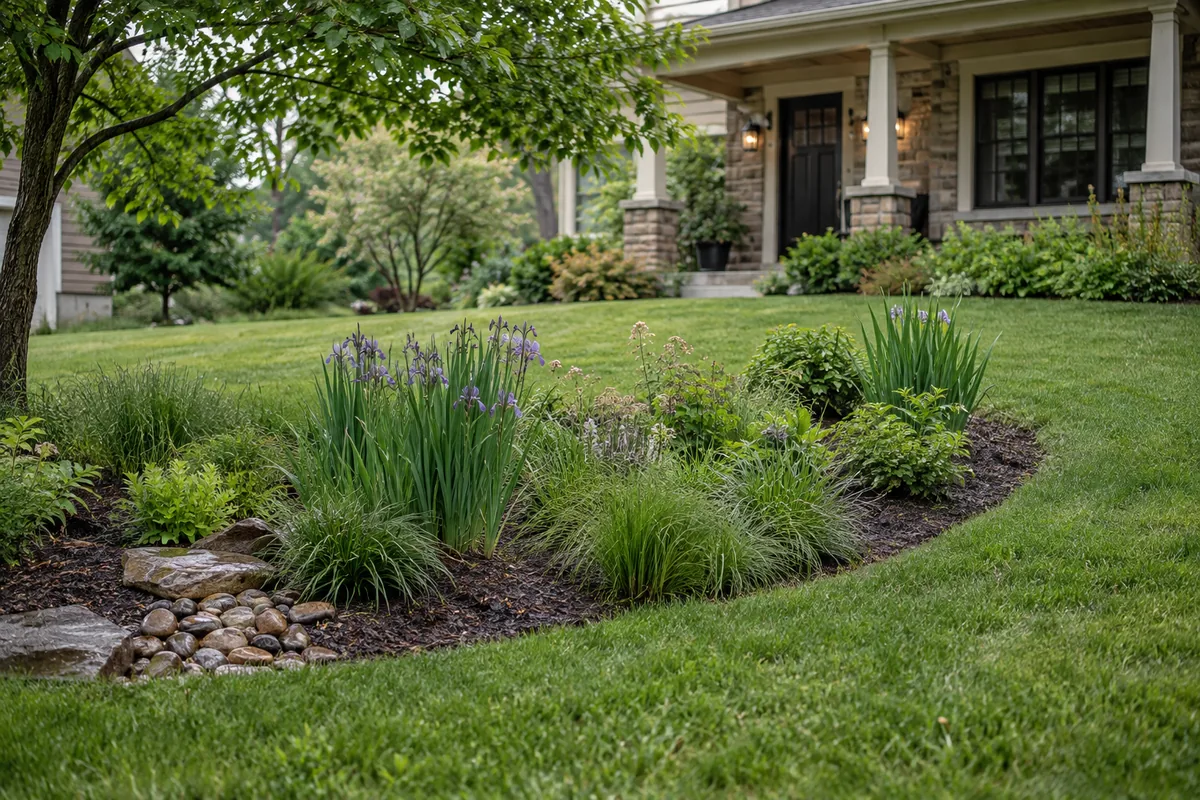
A rain garden uses a planted depression to receive and manage runoff. It combines site planning with planting, rather than being an ordinary flower bed placed in a wet spot. A provider should assess whether the location and soils fit the intended design.
Start with your property.
Discuss runoff sources, soil behavior, surrounding structures, and overflow. Choose a planting style you can maintain through the seasons.
Take a few photos and write down your priorities before speaking with a company. Explain what is happening now, what you want to change, and which parts of the yard need to stay as they are.
What to include in the estimate
Ask each provider to price the same work so that the proposals are easier to compare.
- Site assessment and basin layout
- Soil preparation and runoff connections
- Plant selection and establishment care
Request a written scope, an expected schedule, and an explanation of how additional work is approved. The size of the job, access, existing conditions, materials, and local labor all affect the final quote.
Read our guide to comparing landscaping quotes →Before the company leaves
Agree on watering during establishment, weed management, and inspection after heavy rain.
Walk through the completed work together and keep the care instructions, product information, and any written warranty with your project records.
A common question
Is a rain garden supposed to be a pond?
It is designed around stormwater and planting rather than permanent open water. Ask the designer to explain the expected wet and dry conditions.
Planning notes by Yard Atlas Editorial. Images illustrate service ideas and are not photographs of a listed company’s work.