Understand the work
What to know about yard drainage installation
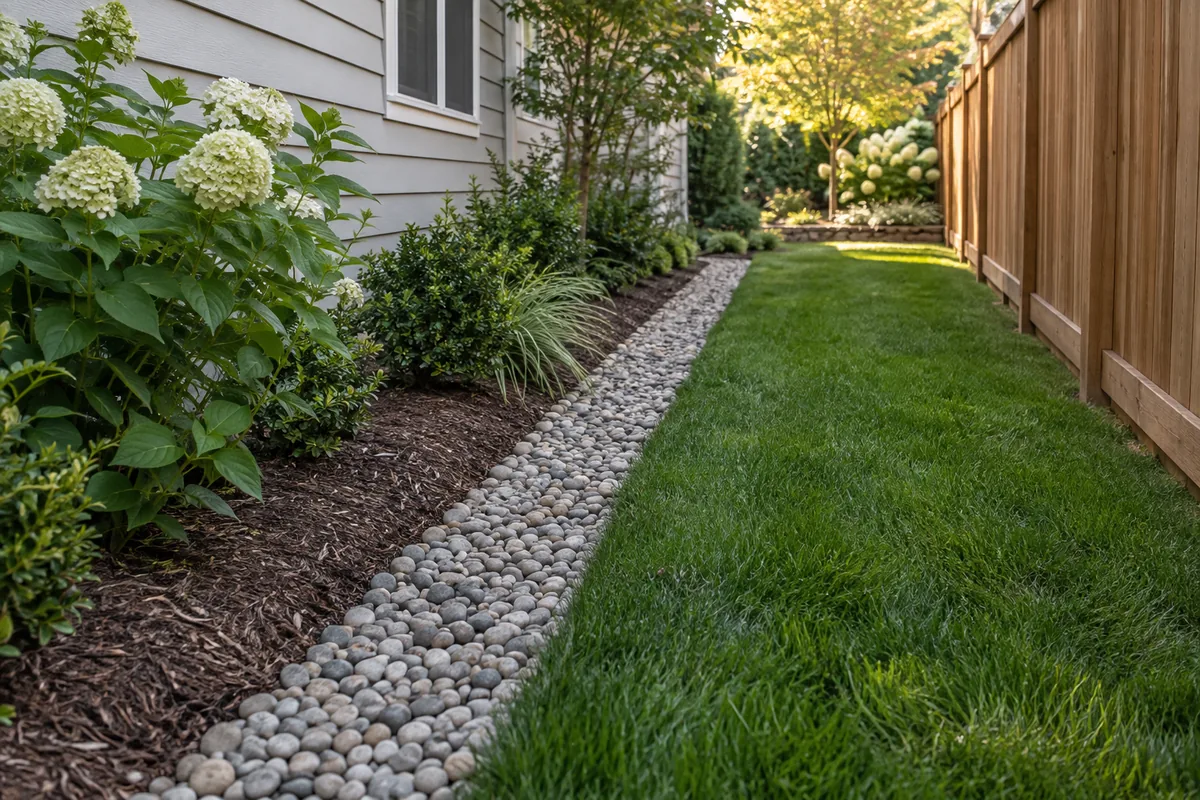
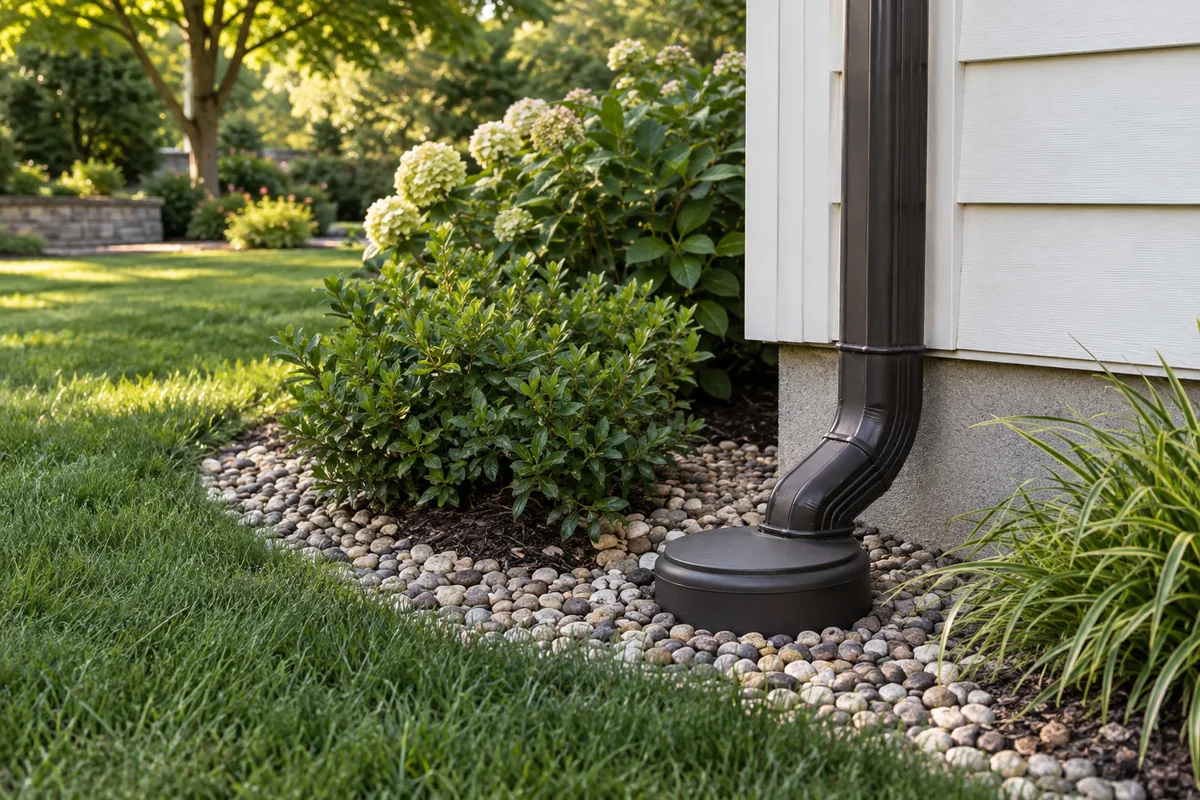
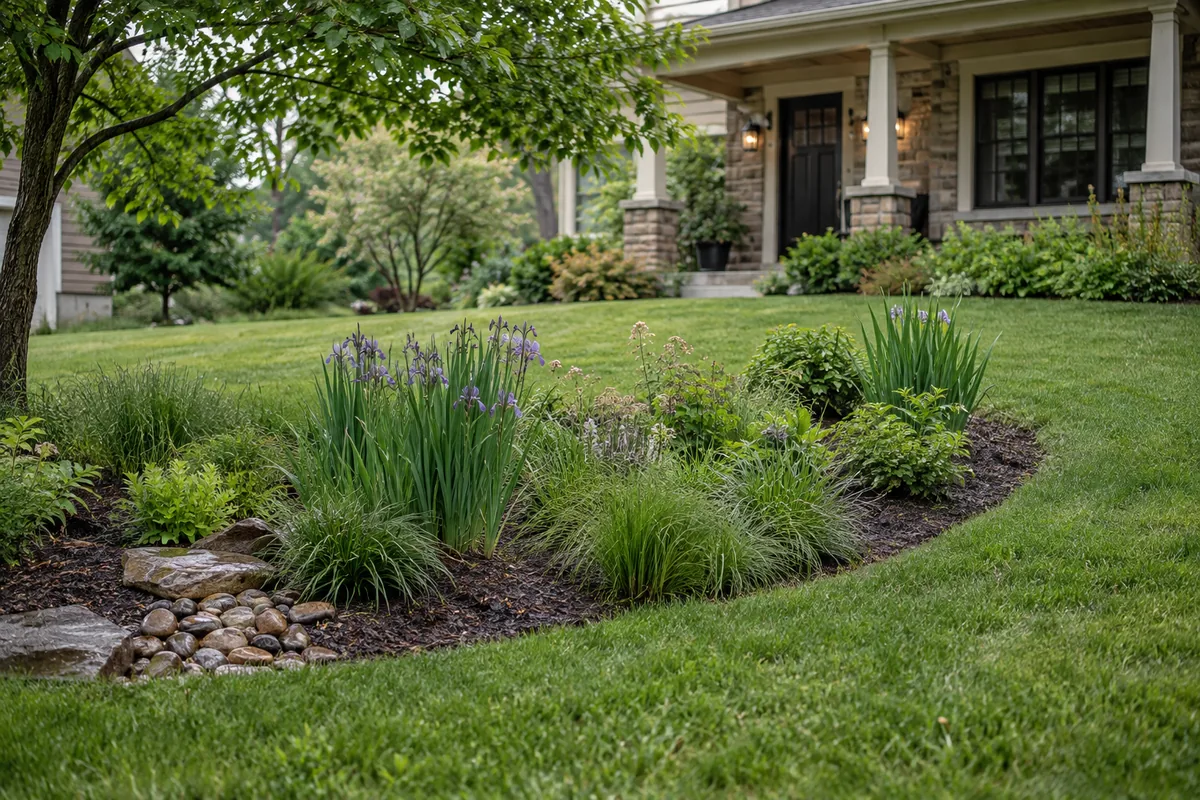
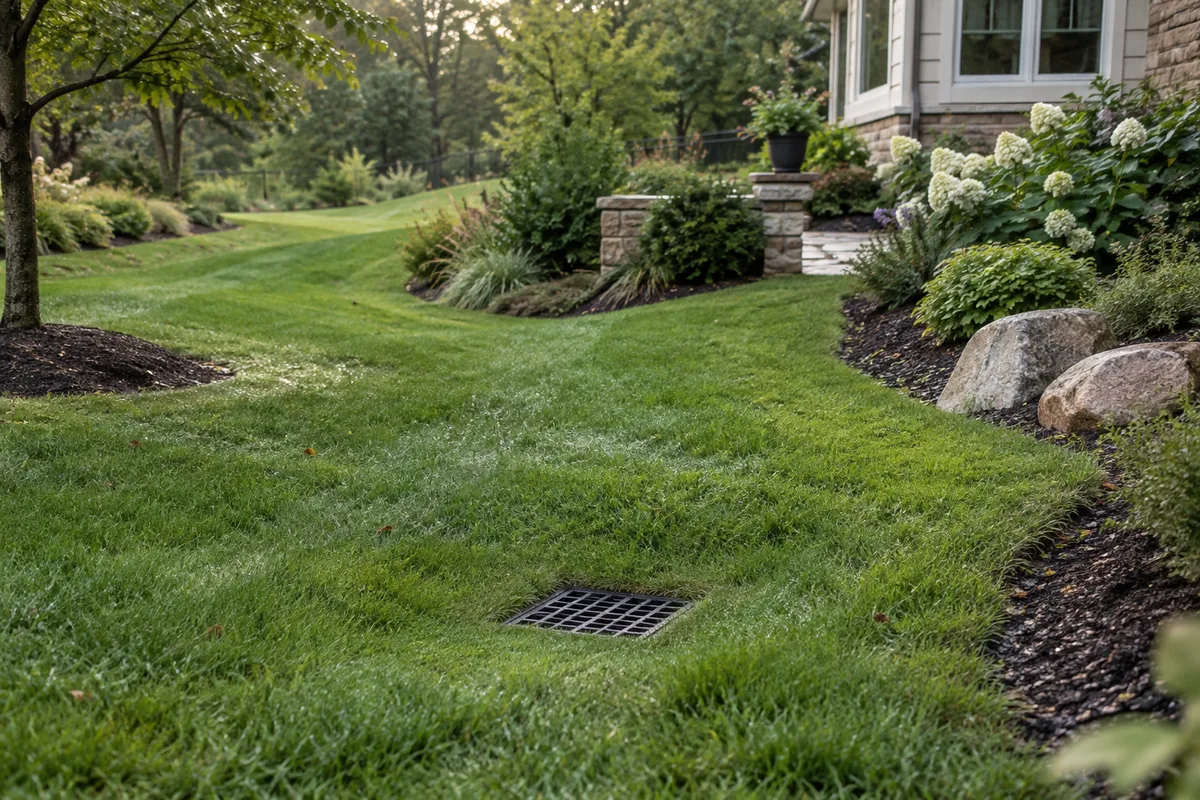
Yard drainage systems collect and direct unwanted surface water. They may use drains, channels, or connected piping depending on the site. The important question is how water reaches the system and where it can go after collection.
Start with your property.
Share rain-time photos and identify low spots, existing drains, roof runoff, and affected paths. Ask how the design handles the observed flow.
Take a few photos and write down your priorities before speaking with a company. Explain what is happening now, what you want to change, and which parts of the yard need to stay as they are.
What to include in the estimate
Ask each provider to price the same work so that the proposals are easier to compare.
- Collection points and routing
- Outlet location and maintenance access
- Excavation, connections, and landscape restoration
Request a written scope, an expected schedule, and an explanation of how additional work is approved. The size of the job, access, existing conditions, materials, and local labor all affect the final quote.
Read our guide to comparing landscaping quotes →Before the company leaves
Request a simple system map and instructions for keeping collection points clear.
Walk through the completed work together and keep the care instructions, product information, and any written warranty with your project records.
A common question
Is adding a drain enough without changing the slope?
The contractor should assess how water will reach the drain. Some sites need an accompanying grading change or a different collection layout.
Planning notes by Yard Atlas Editorial. Images illustrate service ideas and are not photographs of a listed company’s work.