Understand the work
What to know about landscape edging
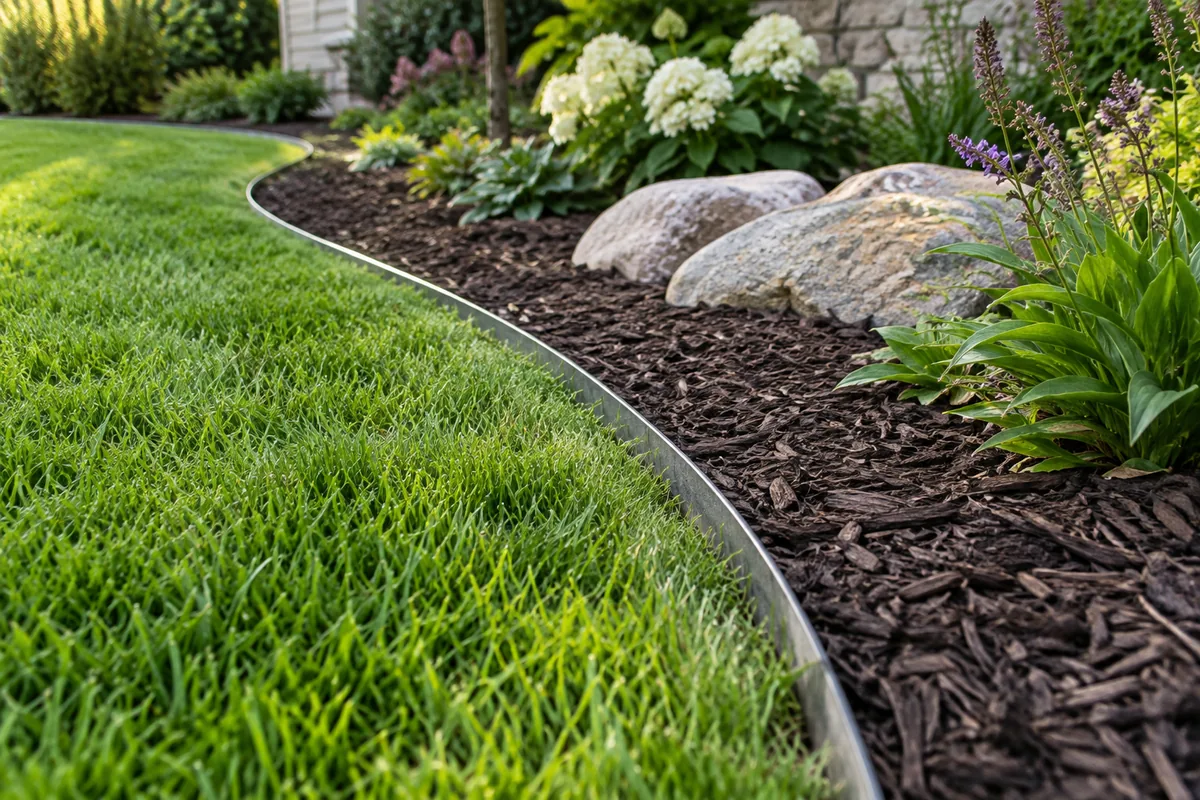
Edging defines the transition between lawns, beds, paths, and loose materials. A suitable choice depends on the shape of the border and how the area is maintained. Compare the finished appearance with the fastening, joints, and preparation underneath.
Start with your property.
Walk the intended line and discuss mower access, curves, elevation changes, and existing roots. Review a material sample when possible.
Take a few photos and write down your priorities before speaking with a company. Explain what is happening now, what you want to change, and which parts of the yard need to stay as they are.
What to include in the estimate
Ask each provider to price the same work so that the proposals are easier to compare.
- Edging material and linear length
- Excavation, joints, and anchoring
- Turf or bed restoration beside the border
Request a written scope, an expected schedule, and an explanation of how additional work is approved. The size of the job, access, existing conditions, materials, and local labor all affect the final quote.
Read our guide to comparing landscaping quotes →Before the company leaves
Ask how to handle movement, damage, or changes to the bed shape later.
Walk through the completed work together and keep the care instructions, product information, and any written warranty with your project records.
A common question
Should edging be installed before mulch?
Coordinate the sequence with the provider. A combined bed project can avoid having to move freshly placed materials to complete the border.
Planning notes by Yard Atlas Editorial. Images illustrate service ideas and are not photographs of a listed company’s work.